Resources
Blog

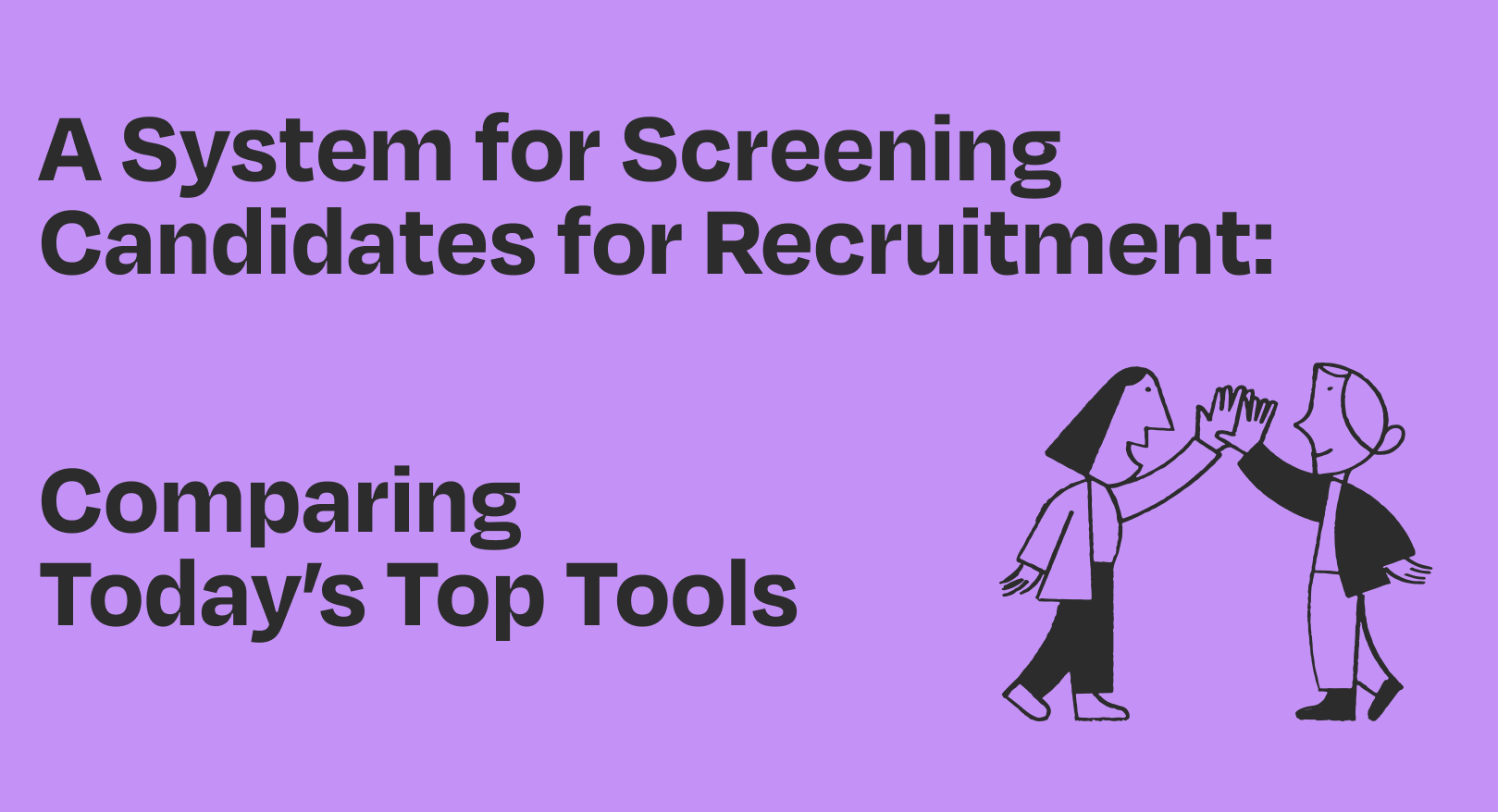
A System for Screening Candidates for Recruitment: Comparing Today’s Top Tools

In today’s fast hiring landscape, the right screening tools can make all the difference. This guide breaks down the systems and technologies that help recruiters save time, streamline workflows, and build a deeply human hiring process.
Written by
Dominic Mancini
Published
December 11, 2025
Candidate Matching
AI Recruiting
Share post
Want to learn more?
Subscribe for you recruiting tips, employer branding suggestions to really help your ora stand out!
Thank you! Your submission has been received!
Oops! Something went wrong while submitting the form.

Table of Contents:

  • What is a system for screening candidates for recruitment?
  • Why companies need dedicated screening tools 
  • Key features to look for in a candidate screening system
  • Comparative overview of leading screening tools
  • Pros and cons of each type of screening system
  • How to choose the right tool for your recruiting needs
  • Choosing tools that work as hard as you do 
  • Frequently asked questions 

In the world of recruitment, a new generation of tools is officially on the scene. From AI-powered resume screening to multimedia interview platforms, the hiring playbook has been rewritten. Let’s dig into the tech backpack that’s giving recruiters time back and delighting candidates along the way. Buckle up: great hiring is about to get faster, smarter, and a whole lot more human.

What Is a System for Screening Candidates for Recruitment?

A candidate screening system is the initial evaluator of your hiring process – the one quietly keeping the top of your funnel on track.

It’s a structured foundation that classifies applications before they reach the interview stage. Whether you’re manually reviewing resumes or letting AI tools take the wheel, a strong screening system keeps recruiters organized and ahead of the game.

Essential screening system elements

At its core, every screening system includes three primary components:

1. Your digital front door: a place to collect and store applications.

2. A review process: where you evaluate by skillset, experience, and overall fit.

3. Top-to-bottom workflow: scoring applicants, filtering for quality leads, and moving top candidates through the pipeline.

These pieces kick off your screening process, saving recruiters hours before they ever hop into a first-round interview.

Integration is key

Here’s where things get exciting: modern screening systems don’t just stitch together random tools.

Today’s screening platforms bundle application intake, candidate evaluation, and automated scoring into one seamless experience. That way, recruiters spend less time juggling tools and more time doing what they do best = building meaningful connections with top talent.

Why Companies Need Dedicated Screening Tools

A dedicated screening tool is your ticket from clutter to clarity.

What’s in it for you?

First, screening tools crush the mountain of manual work. Sifting through resumes one by one is exhausting, even with your 8:00 AM cold brew. 

Instead, with automated sorting, AI-powered scoring, and candidate shortlisting, you can accelerate your workflow and reduce time-to-hire in one swoop.

Second, screening tools keep your process sharp. By highlighting candidates who truly match your job descriptions, a recruiter gets more time to evaluate high-quality applicants with promise and potential.

What's in it for your candidates?

Applicants deserve a process that feels smooth, fast, and human.

Screening tools give candidates a central hub to submit materials, ask questions, and learn about your company.

What's in it for your team?

Every hiring manager should operate from the same playbook. That means consistent requirements, clear expectations, and strong decision-making across the entire HR team.

AI-powered screening tools create that consistency. These technologies boost compliance and reduce bias. Fairness becomes the default, not the exception.

Key Features to Look For in a Candidate Screening System

The right screening system optimizes every step of your hiring experience. As you’re browsing for the ideal tool, keep an eye out for features that make your workflow smarter and more human-centered:

Automated resume parsing

  • Instantly pulls key details from applications, less manual scrubbing for recruiters.
  • Saves hours of time and gives you cleaner data to evaluate.

Structured candidate scoring models

  • Ranks applicants based on criteria you’ve selected.
  • Consistency becomes easier & accuracy skyrockets.

AI-assisted recommendations

  • Surfaces top contenders based on relevant skills and overall fit.
  • Your copilot flagging candidates worthy of a closer look.

Integrated assessments or tests

  • Validates whether candidates can actually perform the necessary work
  • Adds fairness and structure to your evaluation process.

Audio + video interview capabilities

  • Built-in interviewing tools to streamline scheduling.
  • Candidates access a modern and central hub to showcase their talent.

Employer branding

  • Customizable career pages, branded content, and consistent messaging about your culture. 
  • Increases trust so that applicants stay engaged—and so that you get the right ones.

Reporting and analytics

  • The numbers back up your hard work—dashboards let you show off your progress.
  • Real-time metrics show where candidates interact, or drop off.

Integration with existing recruitment systems

  • Connects smoothly into your ATS, calendars, and messaging platforms.
  • Less toggling, more momentum!

Each of these functions play an important role. But when working together, these features become a true growth engine for your hiring team. And you create a candidate experience that’s personal and unmistakably on-brand.

Comparative Overview of Leading Screening Tools

Recruiters today face no shortage of screening technologies. Let’s explore four categories of tools that can help you identify the right candidates, faster.

Applicant Tracking Systems (ATS) 

You’re likely familiar with the workings of an ATS.

These are your application collectors. They help you stay organized = tracking candidates through the funnel and centralizing your communication. Consider an ATS the command center of your recruiting process.

AI-driven screening platforms

With emerging technology, these tools elevate screening with automation, predictive insights, and other AI-powered functionality.

AI quickly surfaces top contenders to reduce your repetitive manual work.

Skills-assessment and testing tools

It’s always a sigh of relief when you’ve verified that a candidate can truly perform the work.

Whether problem-solving tasks or technical tests, assessment tools offer objective guidance that can validate your judgment. 

Audio + video screening tools

To candidly humanize your process, these technologies give recruiters a well-rounded first impression.

Candidates can demonstrate their communication style, personality, and context that a resume alone can’t capture.

Pros and Cons of Each Type of Screening System

Every screening tool comes with its own strengths and limitations—even the best ones. Here’s a look at what each system does well, plus where it may fall short.

ATS

Pros: Organized, scalable, and recruiting-friendly; can manage pipelines of any size.
Cons: Limited resume parsing and keyword filters; cannot perform deep or nuanced screening.

AI Screening Platforms

Pros: Fast, efficient, and consistent; reduce repetitive manual tasks.
Cons: Cannot replace human insight and must be monitored for potential bias.

Assessment and Testing Tools

Pros: Provide objective data and strong performance indicators; validate real skills.
Cons: Can be time-intensive and may slow down hiring if overused; assessments differ widely in format and difficulty.

Audio and Video Tools

Pros: Humanize early reviews, offer richer context than resumes, and replace first-round phone screens.

Cons: Visual formats can introduce bias; candidate engagement may drop due to discomfort on video.

How to Choose the Right Tool for Your Recruiting Needs

Selecting the right screening system starts with understanding what your team actually needs.

The best platform will align with your goals, your workflow, and the experience you want candidates to have.

Here are a couple of elements to keep in mind: 

1. Role volume

  • High-volume hiring often pairs well with AI-powered platforms and a reliable ATS to keep everything organized.

2. Role type

  • Technical positions may need skills assessments; creative roles rely on portfolios; customer-facing jobs really benefit from audio or video screening.

3. Team size

  • Since smaller teams usually need to be more agile, they can benefit from low-touch, all-in-one systems that reduce tool overload.

4. Candidate experience priorities

  • Too many tools can overwhelm applicants, so choose systems that feel seamless, not scattered.

5. Budget and scalability

  • Look for platforms that can grow with your long-term hiring needs, not just tools for your immediate openings.

Most of the time, the strongest strategy is a layered approach—combining tools like an ATS with assessments plus audio and video screening. It’s the perfect constellation of efficiency and a human touch.

Choosing Tools That Work As Hard As You Do

Whether you choose an AI-powered screening tool, a skills-based assessor, or a video system for introductions, the right mix comes down to one goal: protecting a recruiter’s time while improving hiring quality.

When your tools work in harmony, you spend less energy chasing tasks and more time connecting with the people who matter.

Your tools should accelerate clarity not complexity. And when your technology truly supports you, hiring transforms into a joyful search for the perfect match.

Frequently Asked Questions

How does automated resume screening work?

Automated screening tools – often AI-powered – can scan hundreds of resumes in minutes.

These technologies are looking for relevant skills and specific qualifications that match your job description. From there, they quickly sort applicants into categories, highlighting top contenders and flagging potential fits for various open roles.

The biggest benefit? These tools remove hours of manual scanning so that you get clean and structured data to work with.

Technology is powerful, but it’s not a replacement for human judgment. Think of automation as your copilot. It narrows your field, but you bring the insight to turn data into decisions.

What should I look for in a resume when screening candidates?

Start with the essentials: relevant skills, recent experience, and clear indicators that the candidate can succeed. Look beyond the job title for achievements, measurable results, and projects that went above and beyond.

Also consider any patterns like growth, consistency, and professionalism. 

Remember, in the screening phase, your goal isn’t to identify the perfect document. Aim to find potential that’s worth exploring further. A resume is your compass, not the finish line.

What tools use AI for candidate pre-screening?

AI-powered screening tools are a standard in modern recruiting.

Platforms like Puck use AI to parse resumes, match skills, identify patterns, and recommend top candidates early in the funnel. We also layer on employer branding, lightweight ATS capabilities, and audio features. 

Other screening tools bring a variety of specialties, like video-based platforms or robust ATS options for large enterprises. Many screening tools share the same goal: spotting top contenders quickly. But each company might benefit from unique tool features based on their team size, role volume, and budget. 

The best tools work alongside human intuition—the technology handles the heavy lift and recruiters bring compassion and EQ to their hiring.

How can I develop an employer branding strategy?

Start by defining what makes your company magnetic—your values, culture, and employee experience.

Then, translate that identity into storytelling. Showcase your mission across career pages, job descriptions, social media, and your talks with candidates. And tools can help you create content, so you can focus in on strategy.

Consistency is the key. Applicants stay engaged when each touchpoint looks and feels like their next ideal workplace. To add a personal touch and human flair, you can highlight your current employees, celebrate your company wins, and show your culture in action.

Successful employer branding strategies are authentic and repeatable. When candidates see who you are, the right people naturally lean in.

See what Puck can do for you

Explore how Puck has helped companies in Tech, Retail, and Healthcare hire better and faster

A System for Screening Candidates for Recruitment: Comparing Today’s Top Tools

December 10, 2025

In today’s fast hiring landscape, the right screening tools can make all the difference. This guide breaks down the systems and technologies that help recruiters save time, streamline workflows, and build a deeply human hiring process.

Dominic Mancini

Table of Contents:

  • What is a system for screening candidates for recruitment?
  • Why companies need dedicated screening tools 
  • Key features to look for in a candidate screening system
  • Comparative overview of leading screening tools
  • Pros and cons of each type of screening system
  • How to choose the right tool for your recruiting needs
  • Choosing tools that work as hard as you do 
  • Frequently asked questions 

In the world of recruitment, a new generation of tools is officially on the scene. From AI-powered resume screening to multimedia interview platforms, the hiring playbook has been rewritten. Let’s dig into the tech backpack that’s giving recruiters time back and delighting candidates along the way. Buckle up: great hiring is about to get faster, smarter, and a whole lot more human.

What Is a System for Screening Candidates for Recruitment?

A candidate screening system is the initial evaluator of your hiring process – the one quietly keeping the top of your funnel on track.

It’s a structured foundation that classifies applications before they reach the interview stage. Whether you’re manually reviewing resumes or letting AI tools take the wheel, a strong screening system keeps recruiters organized and ahead of the game.

Essential screening system elements

At its core, every screening system includes three primary components:

1. Your digital front door: a place to collect and store applications.

2. A review process: where you evaluate by skillset, experience, and overall fit.

3. Top-to-bottom workflow: scoring applicants, filtering for quality leads, and moving top candidates through the pipeline.

These pieces kick off your screening process, saving recruiters hours before they ever hop into a first-round interview.

Integration is key

Here’s where things get exciting: modern screening systems don’t just stitch together random tools.

Today’s screening platforms bundle application intake, candidate evaluation, and automated scoring into one seamless experience. That way, recruiters spend less time juggling tools and more time doing what they do best = building meaningful connections with top talent.

Why Companies Need Dedicated Screening Tools

A dedicated screening tool is your ticket from clutter to clarity.

What’s in it for you?

First, screening tools crush the mountain of manual work. Sifting through resumes one by one is exhausting, even with your 8:00 AM cold brew. 

Instead, with automated sorting, AI-powered scoring, and candidate shortlisting, you can accelerate your workflow and reduce time-to-hire in one swoop.

Second, screening tools keep your process sharp. By highlighting candidates who truly match your job descriptions, a recruiter gets more time to evaluate high-quality applicants with promise and potential.

What's in it for your candidates?

Applicants deserve a process that feels smooth, fast, and human.

Screening tools give candidates a central hub to submit materials, ask questions, and learn about your company.

What's in it for your team?

Every hiring manager should operate from the same playbook. That means consistent requirements, clear expectations, and strong decision-making across the entire HR team.

AI-powered screening tools create that consistency. These technologies boost compliance and reduce bias. Fairness becomes the default, not the exception.

Key Features to Look For in a Candidate Screening System

The right screening system optimizes every step of your hiring experience. As you’re browsing for the ideal tool, keep an eye out for features that make your workflow smarter and more human-centered:

Automated resume parsing

  • Instantly pulls key details from applications, less manual scrubbing for recruiters.
  • Saves hours of time and gives you cleaner data to evaluate.

Structured candidate scoring models

  • Ranks applicants based on criteria you’ve selected.
  • Consistency becomes easier & accuracy skyrockets.

AI-assisted recommendations

  • Surfaces top contenders based on relevant skills and overall fit.
  • Your copilot flagging candidates worthy of a closer look.

Integrated assessments or tests

  • Validates whether candidates can actually perform the necessary work
  • Adds fairness and structure to your evaluation process.

Audio + video interview capabilities

  • Built-in interviewing tools to streamline scheduling.
  • Candidates access a modern and central hub to showcase their talent.

Employer branding

  • Customizable career pages, branded content, and consistent messaging about your culture. 
  • Increases trust so that applicants stay engaged—and so that you get the right ones.

Reporting and analytics

  • The numbers back up your hard work—dashboards let you show off your progress.
  • Real-time metrics show where candidates interact, or drop off.

Integration with existing recruitment systems

  • Connects smoothly into your ATS, calendars, and messaging platforms.
  • Less toggling, more momentum!

Each of these functions play an important role. But when working together, these features become a true growth engine for your hiring team. And you create a candidate experience that’s personal and unmistakably on-brand.

Comparative Overview of Leading Screening Tools

Recruiters today face no shortage of screening technologies. Let’s explore four categories of tools that can help you identify the right candidates, faster.

Applicant Tracking Systems (ATS) 

You’re likely familiar with the workings of an ATS.

These are your application collectors. They help you stay organized = tracking candidates through the funnel and centralizing your communication. Consider an ATS the command center of your recruiting process.

AI-driven screening platforms

With emerging technology, these tools elevate screening with automation, predictive insights, and other AI-powered functionality.

AI quickly surfaces top contenders to reduce your repetitive manual work.

Skills-assessment and testing tools

It’s always a sigh of relief when you’ve verified that a candidate can truly perform the work.

Whether problem-solving tasks or technical tests, assessment tools offer objective guidance that can validate your judgment. 

Audio + video screening tools

To candidly humanize your process, these technologies give recruiters a well-rounded first impression.

Candidates can demonstrate their communication style, personality, and context that a resume alone can’t capture.

Pros and Cons of Each Type of Screening System

Every screening tool comes with its own strengths and limitations—even the best ones. Here’s a look at what each system does well, plus where it may fall short.

ATS

Pros: Organized, scalable, and recruiting-friendly; can manage pipelines of any size.
Cons: Limited resume parsing and keyword filters; cannot perform deep or nuanced screening.

AI Screening Platforms

Pros: Fast, efficient, and consistent; reduce repetitive manual tasks.
Cons: Cannot replace human insight and must be monitored for potential bias.

Assessment and Testing Tools

Pros: Provide objective data and strong performance indicators; validate real skills.
Cons: Can be time-intensive and may slow down hiring if overused; assessments differ widely in format and difficulty.

Audio and Video Tools

Pros: Humanize early reviews, offer richer context than resumes, and replace first-round phone screens.

Cons: Visual formats can introduce bias; candidate engagement may drop due to discomfort on video.

How to Choose the Right Tool for Your Recruiting Needs

Selecting the right screening system starts with understanding what your team actually needs.

The best platform will align with your goals, your workflow, and the experience you want candidates to have.

Here are a couple of elements to keep in mind: 

1. Role volume

  • High-volume hiring often pairs well with AI-powered platforms and a reliable ATS to keep everything organized.

2. Role type

  • Technical positions may need skills assessments; creative roles rely on portfolios; customer-facing jobs really benefit from audio or video screening.

3. Team size

  • Since smaller teams usually need to be more agile, they can benefit from low-touch, all-in-one systems that reduce tool overload.

4. Candidate experience priorities

  • Too many tools can overwhelm applicants, so choose systems that feel seamless, not scattered.

5. Budget and scalability

  • Look for platforms that can grow with your long-term hiring needs, not just tools for your immediate openings.

Most of the time, the strongest strategy is a layered approach—combining tools like an ATS with assessments plus audio and video screening. It’s the perfect constellation of efficiency and a human touch.

Choosing Tools That Work As Hard As You Do

Whether you choose an AI-powered screening tool, a skills-based assessor, or a video system for introductions, the right mix comes down to one goal: protecting a recruiter’s time while improving hiring quality.

When your tools work in harmony, you spend less energy chasing tasks and more time connecting with the people who matter.

Your tools should accelerate clarity not complexity. And when your technology truly supports you, hiring transforms into a joyful search for the perfect match.

Frequently Asked Questions

How does automated resume screening work?

Automated screening tools – often AI-powered – can scan hundreds of resumes in minutes.

These technologies are looking for relevant skills and specific qualifications that match your job description. From there, they quickly sort applicants into categories, highlighting top contenders and flagging potential fits for various open roles.

The biggest benefit? These tools remove hours of manual scanning so that you get clean and structured data to work with.

Technology is powerful, but it’s not a replacement for human judgment. Think of automation as your copilot. It narrows your field, but you bring the insight to turn data into decisions.

What should I look for in a resume when screening candidates?

Start with the essentials: relevant skills, recent experience, and clear indicators that the candidate can succeed. Look beyond the job title for achievements, measurable results, and projects that went above and beyond.

Also consider any patterns like growth, consistency, and professionalism. 

Remember, in the screening phase, your goal isn’t to identify the perfect document. Aim to find potential that’s worth exploring further. A resume is your compass, not the finish line.

What tools use AI for candidate pre-screening?

AI-powered screening tools are a standard in modern recruiting.

Platforms like Puck use AI to parse resumes, match skills, identify patterns, and recommend top candidates early in the funnel. We also layer on employer branding, lightweight ATS capabilities, and audio features. 

Other screening tools bring a variety of specialties, like video-based platforms or robust ATS options for large enterprises. Many screening tools share the same goal: spotting top contenders quickly. But each company might benefit from unique tool features based on their team size, role volume, and budget. 

The best tools work alongside human intuition—the technology handles the heavy lift and recruiters bring compassion and EQ to their hiring.

How can I develop an employer branding strategy?

Start by defining what makes your company magnetic—your values, culture, and employee experience.

Then, translate that identity into storytelling. Showcase your mission across career pages, job descriptions, social media, and your talks with candidates. And tools can help you create content, so you can focus in on strategy.

Consistency is the key. Applicants stay engaged when each touchpoint looks and feels like their next ideal workplace. To add a personal touch and human flair, you can highlight your current employees, celebrate your company wins, and show your culture in action.

Successful employer branding strategies are authentic and repeatable. When candidates see who you are, the right people naturally lean in.

Hear from our customers